

If you have ever picked up a bag of Rice Flour in the baking aisle and wondered whether it would actually deliver the soft crumb, golden crust, and reliable rise of wheat bread, you are far from alone. Rice Flour is the workhorse of the modern gluten-free pantry, and for a good reason; it is naturally hypoallergenic, has a neutral taste, and adapts to almost any baked recipe with the right blend. This guide explains exactly how to use Rice Flour in gluten-free baking, what particle sizes to choose, and the substitution ratios that work for cookies, cakes, breads, pancakes, and pizza crusts.
What is Rice Flour, Exactly?
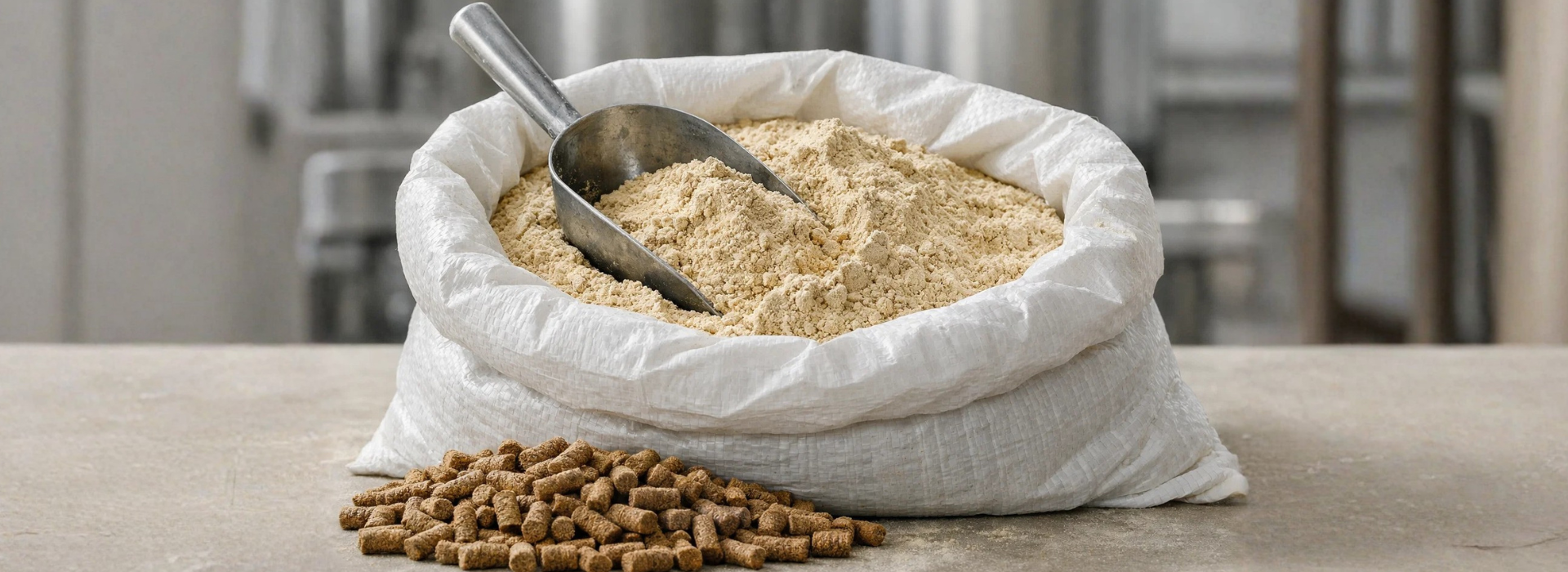
Rice Flour is finely milled rice; typically white, brown, or parboiled. White Rice Flour is the most neutral and the most common; brown Rice Flour delivers a heartier, nuttier taste with more fiber and minerals. Both are naturally gluten-free, low in fat, and work well as the structural backbone of gluten-free baking flour blends.
Quality Rice Flour is produced from gently milled, allergen-free rice in dedicated lines. At Matco Foods, we mill USDA-certified Organic and Conventional Rice Flour in three particle-size grades; Fine, Medium, and Coarse — which gives bakers precise control over texture and crumb.
Choosing the Right Particle Size for Your Bake
Particle size is the most underrated decision in gluten-free baking. Coarse flour will give you sandy textures and gritty pancakes. Too fine, and dense bakes will stay gummy. The right grade matches the application:
- Fine Grade Rice Flour (>90% pass through 150μm sieve) — best for cookies, cakes, muffins, fine pastries, and roux.
- Medium Grade Rice Flour (150–250μm) — best for all-purpose gluten-free flour blends, bread dough, naan, and pancakes.
- Coarse Grade Rice Flour (250–500μm) — best for batters, coatings, breakfast cereals, and crispy applications like rice crackers.
How to Substitute Rice Flour for Wheat Flour
Rice Flour cannot be a one-to-one replacement for Wheat Flour. Wheat Flour brings gluten — the protein network responsible for elasticity, rise, and chew. Rice Flour has no gluten and behaves differently. The reliable substitution rule is to use a blend, not pure Rice Flour.
The Classic 60-30-10 Gluten-Free Flour Blend
Many bakers use this ratio as a starting point for cookies, cakes, and muffins:
- 60% Rice Flour — provides the bulk and the neutral taste.
- 30% starch (Tapioca, Potato, or Corn Starch) — adds tenderness and lightness.
- 10% binder (xanthan gum, psyllium husk, or guar gum) — replaces the elastic role of gluten.
For breads and pizza crusts, increase the binder slightly (12–15%) and use a 50% Rice Flour / 30% Starch / 10% sorghum blend for better structure.
Substitution Ratio Table
← Scroll to see full table
| Wheat Flour amount | Replace with | Add |
|---|---|---|
| 1 cup (≈120 g) | ¾ cup Rice Flour + ¼ cup starch | ¼ tsp xanthan gum |
| 2 cups | 1½ cup Rice Flour + ½ cup starch | ½ tsp xanthan gum |
| 3 cups (bread) | 2 cup Rice Flour + 1 cup starch + ¼ cup sorghum | 1 tsp xanthan gum + 1 tbsp psyllium |
Recipe Ideas: 3 Ways to Use Rice Flour Today
1. Soft Gluten-Free Chocolate Chip Cookies
Replace your usual flour with 1¼ cup of Rice Flour blended with ½ cup Tapioca Starch and ¼ tsp xanthan gum. Mix into your standard cookie dough; the result is a chewy, light cookie with no gritty mouthfeel.
2. Pillowy Gluten-Free Pancakes
Whisk 1 cup Medium Rice Flour, 2 tbsp Tapioca Starch, 1 tsp baking powder, ½ tsp salt, 1 cup buttermilk, 1 egg, and 2 tbsp oil. Cook on a moderate heat. The Medium grade gives a soft, even crumb without the rubbery feel that very fine flours sometimes produce.
3. Crispy Gluten-Free Fried Chicken
Coarse Rice Flour delivers the crispiest fried chicken coating. Toss your seasoned chicken in seasoned Coarse Rice Flour right before frying — the larger particles trap less oil and yield an audible, light crunch.
Common Rice Flour Mistakes (and How to Fix Them)
- Gritty cake — you used Coarse or Medium grade where Fine was needed. Switch to Fine grade for delicate bakes.
- Gummy crumb — too much starch in the blend. Reduce starch by 5–10% and add 1–2% extra binder.
- Dough won't rise — gluten-free dough is wetter than wheat dough by design. Don't try to dry it out; rest it for 30 minutes before baking.
- Crumbly cookie — increase the egg or fat slightly, or rest the dough for an hour to hydrate the Rice Flour.
Why Organic Rice Flour Matters for Premium Baked Goods
Increasingly, gluten-free brands are also clean-label brands — and clean-label customers care deeply about ingredient origin. Organic Rice Flour is grown without synthetic pesticides or fertilizers, GMO-free, and milled in dedicated allergen-free lines. For a CPG brand, sourcing USDA NOP and EU Organic certified Rice Flour signals to retailers and end consumers that the product meets the highest standard.
Pro tip from our R&D team: when launching a premium gluten-free SKU, ask your supplier for the Certificate of Analysis (CoA) on every shipment, including gluten-protein levels (target <20 ppm), heavy-metal levels, and microbiological safety. A trustworthy supplier will provide all three on request.
Sourcing Organic Rice Flour for Your Bakery
Whether you operate a single artisan bakery or a CPG brand selling thousands of cases of gluten-free SKUs, the supplier you choose for Rice Flour will define the consistency and clean-label story of your finished product. Matco Foods Limited has been milling rice for more than 50 years and exports organic and conventional Rice Flour to brands and distributors in 60+ countries. Our flour is USDA NOP, EU Organic, BRC, HACCP, ISO 9001, Kosher, Halal & NON GMO certified, and is produced in three particle-size grades to match every gluten-free baking application.
Ready to test Rice Flour in your gluten-free formulations? Request a sample:
Email: glucose@matcofoods.com
Contact: +92-333-1207746
Frequently Asked Questions
Is Rice Flour gluten-free?
Yes. Rice is naturally gluten-free, and Rice Flour produced in a dedicated line like Matco's does not contain gluten. Always look for a supplier that tests below 20 ppm to meet the FDA gluten-free claim.
What is the difference between Rice Flour and Rice Starch?
Rice Flour is the entire milled rice grain (with or without bran). Rice Starch is a refined extract of just the starchy fraction, with much lower protein and fibre. They are not interchangeable.
How long does Rice Flour last?
Properly stored, organic Rice Flour has a 12-month shelf life when kept below 70°F and 65% humidity. Once opened, store airtight.
Can Rice Flour be used 1:1 with Wheat Flour?
Not directly. Use a 60-30-10 blend (60% Rice Flour, 30% starch, 10% binder) as a reliable starting point — see the substitution section above.